
Backend Development & API Servicesby SoftwareCrafting
Robust backend solutions using Node.js, Express, MongoDB, MySQL, and PHP by SoftwareCrafting. API development and database architecture.
No sales calls. Written reply in under 4 working hours.

Delivery Time
2-6 weeks depending on complexity
Service Overview
We build backend systems that behave correctly under conditions that only show up in production: concurrent writes to the same record, retried requests after a network timeout, third party services that are slow rather than down, and traffic that arrives ten times faster than the plan assumed. Most of our work is Node.js and NestJS with PostgreSQL, and the decisions that matter happen early: the data model and its constraints, transaction boundaries, which operations must be idempotent, where queues belong instead of synchronous calls, and how the system degrades when a dependency fails. We treat the database as the source of truth and enforce invariants there rather than hoping application code is always right. Everything ships with structured logging, tracing, and metrics, because a backend you cannot observe is a backend you cannot operate. You get an API with a documented contract, tests around the logic that would be costly to get wrong, and runbooks for the failure modes we designed for.
Technologies we use
Key Features
- RESTful API development
- GraphQL API implementation
- Database design and optimization
- Authentication and authorization
- Microservices architecture
- Real-time data processing
- Third-party API integration
- Payment gateway integration
- Email and SMS services
- File upload and storage
- Caching strategies
- Security implementation
- Performance optimization
- API documentation
- Transaction boundaries and database level constraints that enforce invariants
- Idempotent write paths safe under client and network retries
- Queue backed asynchronous processing with dead letter handling
- Graceful degradation when third party dependencies are slow or failing
- Connection pooling and query performance tuning under real concurrency
- Structured logging, distributed tracing, and service metrics
- Load testing against realistic traffic shapes before launch
- Runbooks covering the failure modes the system was designed for
Also part of this service
Database & Storage Architecture
We design data layers that stay correct and stay fast as your data grows, which are two different problems. Correctness comes from a schema that models your domain honestly, constraints and foreign keys enforced in the database rather than hoped for in application code, transaction boundaries chosen deliberately, and migrations that can run against a live system without downtime. Speed comes later and from evidence: query plans read rather than guessed at, indexes designed for actual access patterns instead of added hopefully, connection pooling sized to real concurrency, and partitioning or read replicas introduced when the numbers justify them rather than pre emptively. Most of our work is PostgreSQL, including the parts teams underuse such as partial and covering indexes, row level security for multi tenant isolation, native partitioning for time series data, and full text and vector search that avoids adding a separate system. We also handle the operational half: backup strategy verified by restoring, point in time recovery, and upgrade paths.
- Relational schema design for PostgreSQL and MySQL
- MongoDB document modeling and collection design
- Indexing, query analysis, and performance tuning
- Zero-downtime migration planning and rollout support
- Redis caching strategies for hot paths and sessions
- File storage architecture with S3-compatible buckets
API Design & Architecture
We design APIs that survive contact with real consumers and keep working as your product changes. That starts before any code: resource modelling, consistent naming and error semantics, pagination and filtering conventions, authentication and authorisation model, and an explicit versioning strategy so you can evolve without breaking every client. We work in REST, GraphQL, and tRPC, and we pick based on who is consuming the API rather than on preference. The contract is the deliverable as much as the implementation, which means OpenAPI or GraphQL schemas that are the source of truth, generated type safe clients, and contract tests that fail the build when the implementation drifts. We also design for the operational realities that break APIs in production: idempotency for retried writes, rate limiting and quotas, consistent error responses that clients can act on, and deprecation processes that give consumers a real migration window.
- REST, GraphQL, and tRPC API design with the choice driven by consumers
- Resource modelling with consistent naming, filtering, and pagination
- OpenAPI and GraphQL schemas maintained as the source of truth
- Type safe client generation for frontend and partner consumers
- Authentication and authorisation design including scopes and permissions
- Versioning strategy with backward compatible evolution rules
Email & Notifications
We build transactional email and notification infrastructure that reliably reaches the inbox, which is a harder problem than sending the message. That starts with deliverability: SPF, DKIM, and DMARC configured correctly, a dedicated or properly shared sending domain, subdomain separation between transactional and marketing mail, and a warmup plan if the domain has no sending history. On top of that we build the delivery layer, templates that render correctly across the clients your users actually have, retry and bounce handling, suppression lists that respect unsubscribes and hard bounces, and webhook processing so delivery, open, and complaint events flow back into your product. We also build multi channel notification systems where email is one route alongside in app, push, SMS, and Slack, with user preferences and digest batching so people are not overwhelmed into muting you entirely.
- Transactional email setup with Resend, Postmark, SendGrid, or Amazon SES
- SPF, DKIM, and DMARC configuration and validation
- Sending domain and subdomain strategy with reputation warmup
- Responsive email templates tested across major clients
- React Email or MJML template systems with live preview
- Bounce, complaint, and suppression list handling
Pricing Snapshot
Starting from ₹25,000 for complete backend development projects
- Model: project
- Timeline: 2-6 weeks depending on complexity
Our Delivery Process
We use an agile, transparent process to ensure your project is completed on time and meets exactly your needs.
Architecture Planning
Designing scalable backend architecture and database schema
API Development
Building RESTful APIs and GraphQL endpoints
Database Implementation
Setting up and optimizing databases
Security & Authentication
Implementing security measures and user authentication
Testing & Optimization
Comprehensive testing and performance optimization
Deployment & Monitoring
Deploying to production with monitoring setup
Why Choose SoftwareCrafting?
- Correct behaviour under concurrency, not just under happy path testing
- Retries that never double charge or duplicate records
- Slow third parties degrade the system instead of taking it down
- Invariants enforced in the database, where they cannot be bypassed
- A backend you can observe, and therefore actually operate
Frequently Asked Questions
How much does backend and API development cost?
What backend technologies does SoftwareCrafting specialize in?
Do you provide API documentation?
Can you integrate with third-party services?
How do you ensure backend security?
How do you handle traffic spikes?
Do you write tests, and how many?
Can you take over an existing backend?
PostgreSQL, MongoDB, or something else?
Can you fix a slow existing database?
PostgreSQL or MongoDB - which should we choose?
REST, GraphQL, or tRPC?
How do we change an API without breaking clients?
Why do our emails go to spam?
Which email provider should we use?
Case Studies
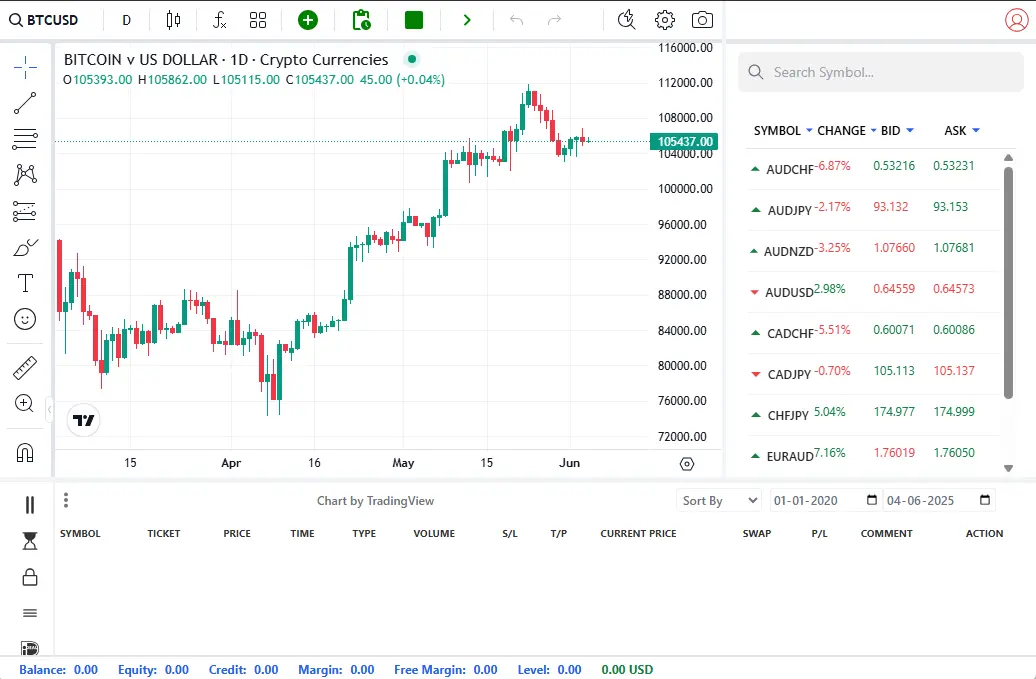
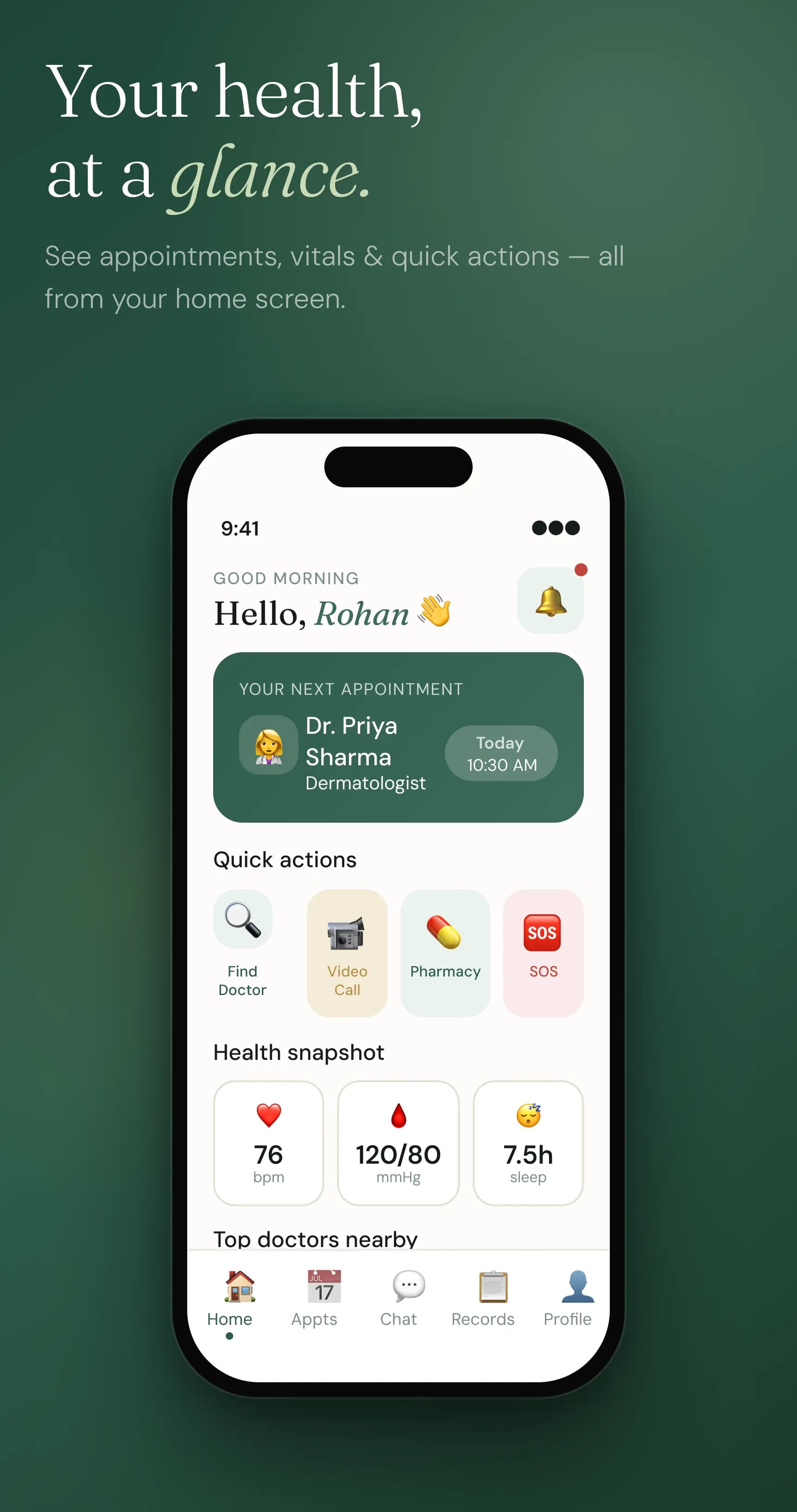
See how we've delivered results for our clients.
Guides that support this service
Practical engineering notes connected to backend development & api services decisions, architecture, and implementation trade-offs.
Related services
Services often paired with Backend Development & API Services
These internal links help buyers and search engines understand the full delivery path around this service.
Solutions & industries
Where teams use backend development & api services
Explore the industry solutions and locations we deliver this capability for, or talk to a Delhi/India-based senior engineer.
Client Success & Reviews
See what our clients say about our Backend Development & API Services delivery.
"We engaged the team to build the Junnar Shikshak Patsanstha app, allowing our members to securely access and track their account activity in real-time. The development process was smooth, they understood our requirements around member accounts and transaction details, and handled everything professionally from build to Play Store deployment. The app went live without any issues and our members have found it easy to use. Highly recommended for anyone needing a reliable Android app built and deployed properly."
Pradeep Pisey
Client
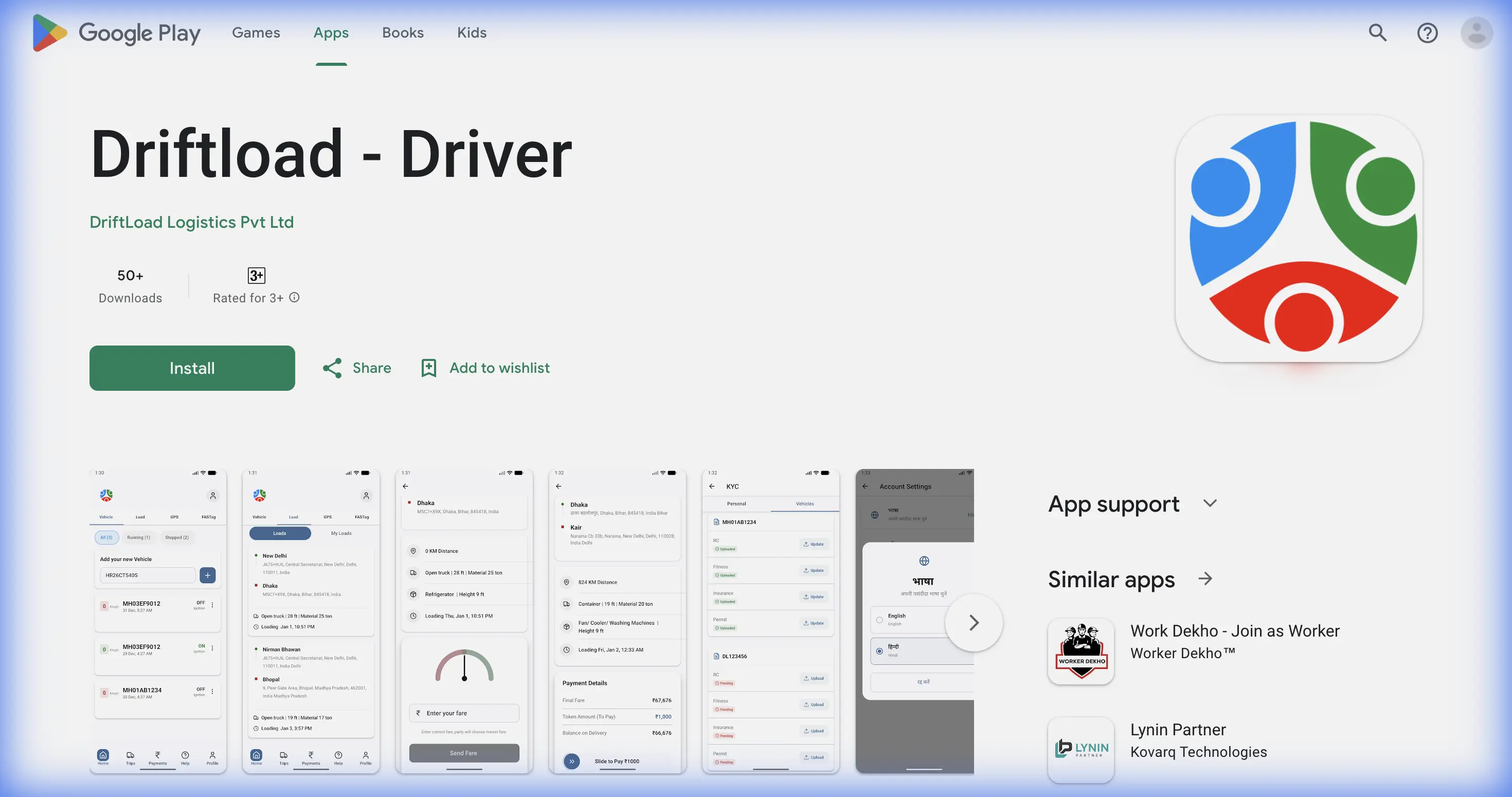
"Great experience working with the team on Driftload. They built our entire platform - driver app, customer booking app, website, admin panel, and backend server - all working together smoothly. Communication was clear throughout, they understood the complexity of coordinating multiple apps with a shared backend, and delivered everything on time. Highly recommended for anyone needing a full end-to-end platform built right."
Dhruv Singh
Client
"Great experience working with the team - they built a high-quality website and app with excellent attention to detail. Communication was clear throughout, technical knowledge was strong, and delivery was on time. Bug fixes and support were quick whenever needed, and all project requirements were met. Highly recommended for anyone looking for a reliable, professional team."
Avesh Mansuri
Client
Let's build your
next big thing.
Talk to the senior engineer who would build it. Send a short brief and get a written plan and price for your backend development & api services project within 24 hours.
Quick Brief
Start the conversation here
Tell us about your backend development & api services project and we'll reply with a technical response and next steps.
Your Name
Work Email
What do you need help with?